Lara Croft GO: gameplay, platforms and series connection
Understand the turn-based puzzle spin-off and how it differs from main Tomb Raider adventures.
Scope: Lara Croft GO official releases
Quick answer
Lara Croft GO is a turn-based puzzle adventure built around moving through compact paths, avoiding hazards and solving environmental sequences. It uses Tomb Raider themes and iconography but does not function as a missing story chapter between the main games.
How Lara Croft GO works
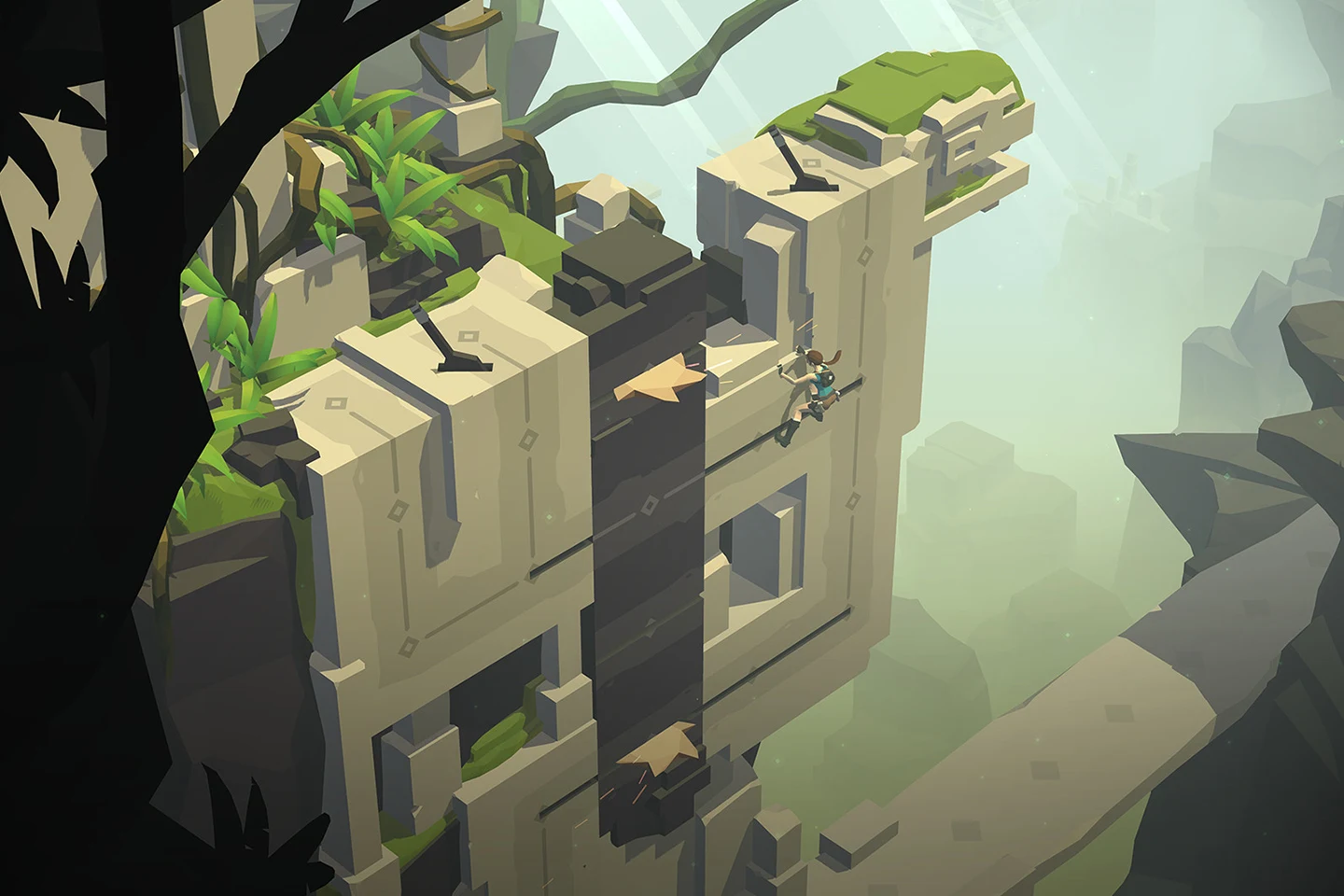
Lara Croft GO translates Tomb Raider into a turn-based puzzle format. Lara moves between connected positions while hazards and enemies react according to clear rules. Progress depends on reading the board, choosing an order of movement and manipulating the environment rather than aiming and platforming in real time.
That makes it useful for players who want Tomb Raider themes in shorter, self-contained puzzle stages. It should not be described as a conventional third-person action game merely because it uses the same character.
Connection to the wider series
The game uses recognizable ruins, creatures, artifacts and Lara Croft imagery, but the official catalog classifies it among mobile games. It does not fill a missing chapter between Legend and Underworld or between entries of the Survivor trilogy. No main game must be completed first.
Release and platform context
Lara Croft GO first launched for iOS, Android and Windows devices on August 27, 2015. The Steam, PlayStation 4 and PlayStation Vita releases followed in December 2016, which is why the current official Tomb Raider product page displays a 2016 release date. These dates describe different platform launches rather than conflicting versions of the same event.
The current official product page links PlayStation, Steam, Google Play and Apple storefronts. Availability, compatibility and price can change, so check the live listing for the device you intend to use.
For action-oriented co-op alternatives, compare Guardian of Light and Temple of Osiris.
Sources
Official Tomb Raider pages anchor current facts. Historical and continuity details are cross-checked against cited references, and different versions of Lara are kept separate.