
Rust Farming Genetics: G, Y, H, W, X, and Crossbreeding
Decode plant genes in Rust and understand cloning and crossbreeding without confusing plant genetics with the newer livestock system.
Applies to: PC Rust plant genetics documented in Facepunch Farming 2.0 update
Quick answer
Rust plants have six gene slots. G improves growth, Y improves yield, H improves hardiness, W increases water intake, and X is empty; positive genes are green and negative genes are red. Clones inherit the plant’s genes, and crossbreeding acts on nearby plants of the same type in a planter. Livestock genetics are a separate newer system and should not be assumed to use these plant rules.
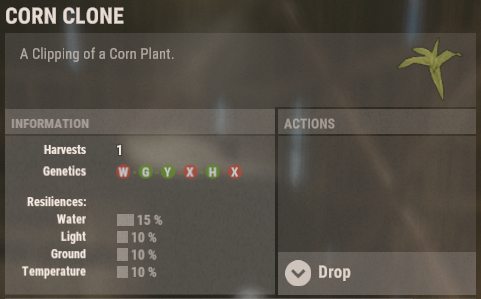
Gene letters explained
| Gene | Documented plant effect | Practical reading |
|---|---|---|
| G | Increased growth rate | Useful when you want a crop to mature sooner. |
| Y | Increased yield gain rate | Useful when harvest quantity is the priority. |
| H | Hardiness | Improves resilience to unfavorable conditions. |
| W | Increased water intake | A plant characteristic, not a direct “uses less water” label. |
| X | Empty gene slot | No named positive gene in that slot. |
Facepunch’s Farming 2.0 update describes six gene slots. Green genes are positive and red genes negative. The game’s current plant interface is the authoritative place to read a particular seed or clone.
Read a plant’s genes
- Plant a seed and let it sprout; the genetics are not identified until the plant is growing.
- Inspect the plant or its clone in the inventory to read the six-slot sequence.
- Choose the parent whose useful traits fit your goal—growth, yield, or resilience—rather than treating one sequence as best for every farm.
For a simple food farm, prioritize a useful balance for your available care and space. For a controlled setup, record each parent’s sequence before cloning so you can compare the offspring.
Cloning and inheritance
A clone preserves the source plant’s genetics, so it is a repeatable way to propagate a plant with a known sequence. Keep an unharvested parent or a saved clone if you want to retain a useful line while experimenting with crossbreeding.
Crossbreeding basics
Facepunch’s update describes crossbreeding among neighboring plants of the same type in a planter box. Genes in corresponding slots can influence the resulting plant, with negative genes weighted more strongly than positive ones in the documented system. Arrange same-type plants deliberately, inspect the resulting sequence, then clone the outcome you want to keep. The exact outcome depends on the neighbors and slot pattern; do not expect a guaranteed result from mixing arbitrary seeds.
Do livestock use the same genes?
No—not as a safe assumption. Facepunch’s October 2026 livestock announcement explicitly says livestock genetics will not behave exactly like plant genetics and that existing plant-breeding techniques may not apply. This page covers crops, not animal breeding. For livestock traits and breeding behavior, use the separate Rust livestock guide and current in-game information.
Official sources
- Facepunch: Farming 2.0 update and plant genetics.
- Facepunch: Livestock update and distinction from plant genetics.
Reviewed October 23, 2026. Recheck crop gene effects, crossbreeding rules, and livestock-system changes after official updates.
Checked against the official sources linked on each page. Campaign availability and game mechanics may change; no hands-on testing is claimed.
Not independently play-tested. This is not a claim that every platform or game version was tested. Source review: Oct 23, 2026.
More Rust Guides
 Rust
Rust Twitch Drops Not Showing? How to Claim and Check Missing Drops
Claim an active Rust Twitch Drop, verify the linked accounts, and follow Facepunch’s checks when an item does not arrive.
 Rust
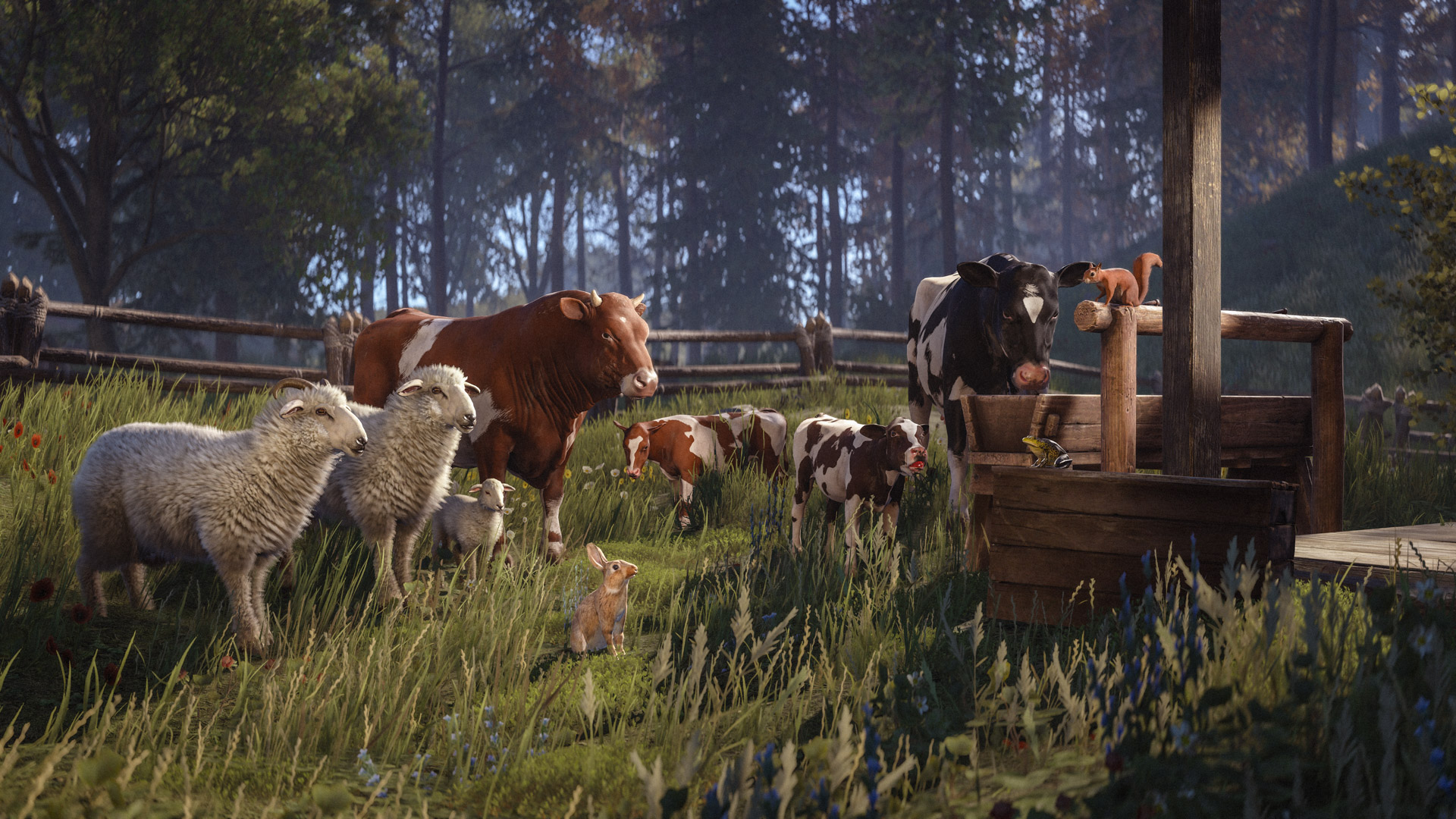
Rust Livestock Explained: Cows, Sheep, Breeding, Milk, Cream, and Wool
What the October 2026 livestock update confirms about capturing, breeding, trading, and processing cows and sheep—and what it leaves unspecified.
 Rust
Rust System Requirements: Can Your PC or Mac Run It?
Compare your Windows PC or Mac with Rust’s current Steam requirements, storage guidance, and platform limitations before buying or installing.
 Rust
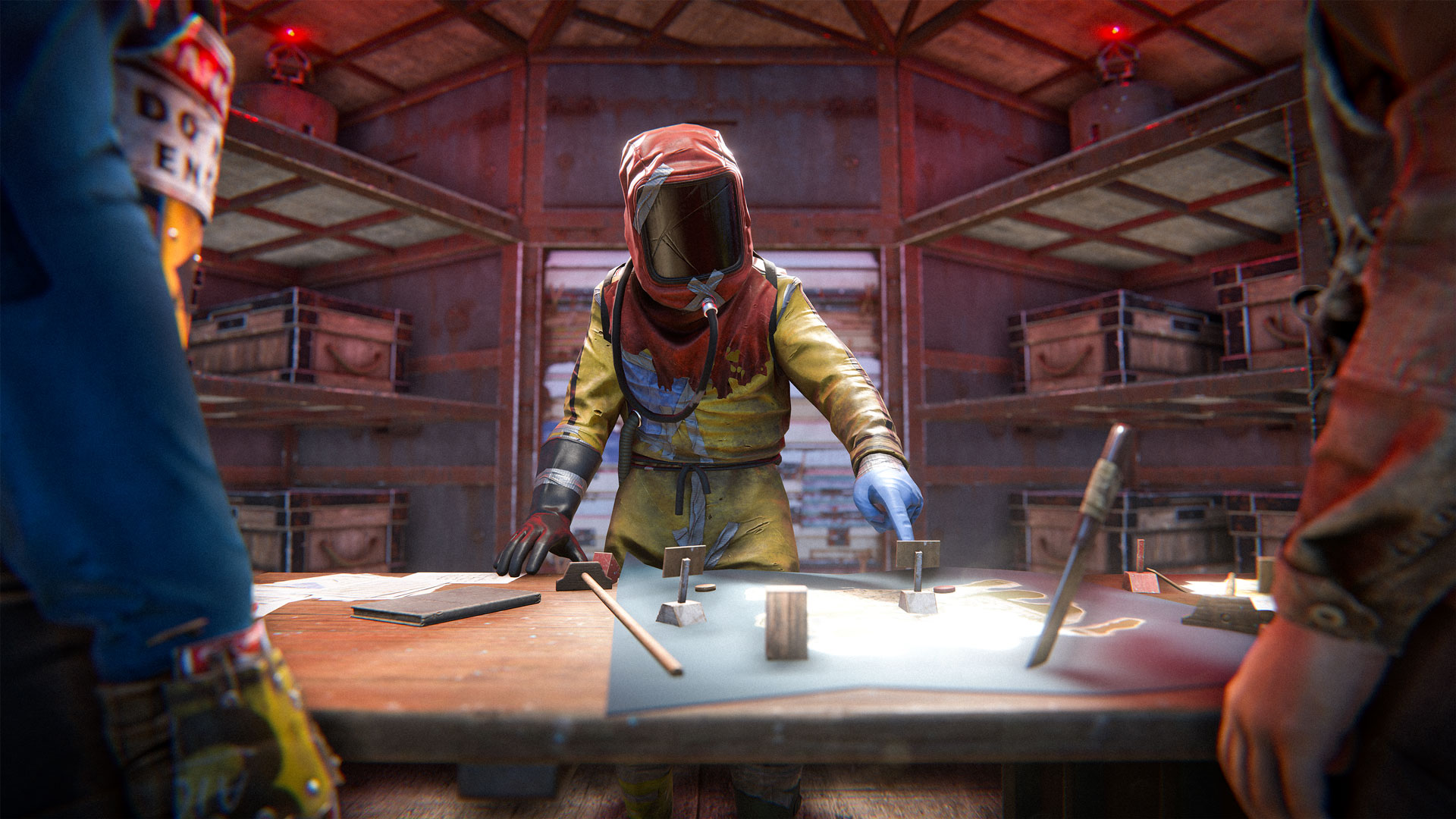
Rust Clan Table: What It Does and How Clans Differ from Teams
Understand Rust’s Clan Table, clan roles, chat and map features, and the limits Facepunch has officially confirmed.
 Rust
Rust Skins and the Steam Market: Where to Buy or Sell
Compare Rust’s in-game item store with the Steam Community Market, and check whether a skin is actually tradable before buying.
 Rust
Rust Crossplay: PC, Console, Xbox, PlayStation, and Mobile
Understand which Rust editions share servers, what console crossplay means, and how to verify Rust Mobile availability in your region.