How to Play Deadlock: The Current Match Loop
A source-checked beginner overview of lanes, Souls, items, objectives and the Patron, written around Deadlock's current three-lane map.
Applies to: The high-level Deadlock match loop and current map structure, checked October 16, 2026; no exact balance values or timers
Quick answer
In a standard Deadlock match, work with your team to earn Souls, buy items, push through lane objectives and destroy the enemy Patron. The current City Never Sleeps map has three main lanes and four side districts. Because Deadlock is still experimental, use the in-game tutorial and current patch notes for exact values, timings and controls.
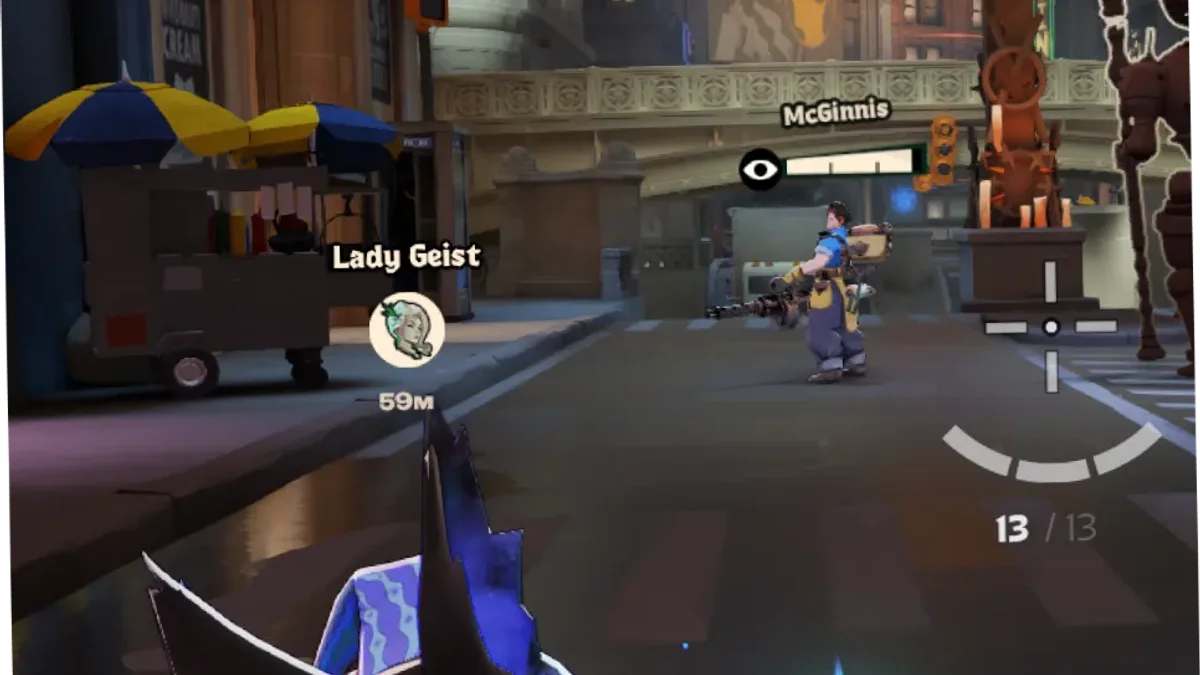
The match loop
Deadlock combines third-person shooting with a lane-and-objective structure. A standard match can be understood as one repeating loop:
- Earn Souls. Fight around the lanes and secure the resources produced by enemy Troopers and other map activity.
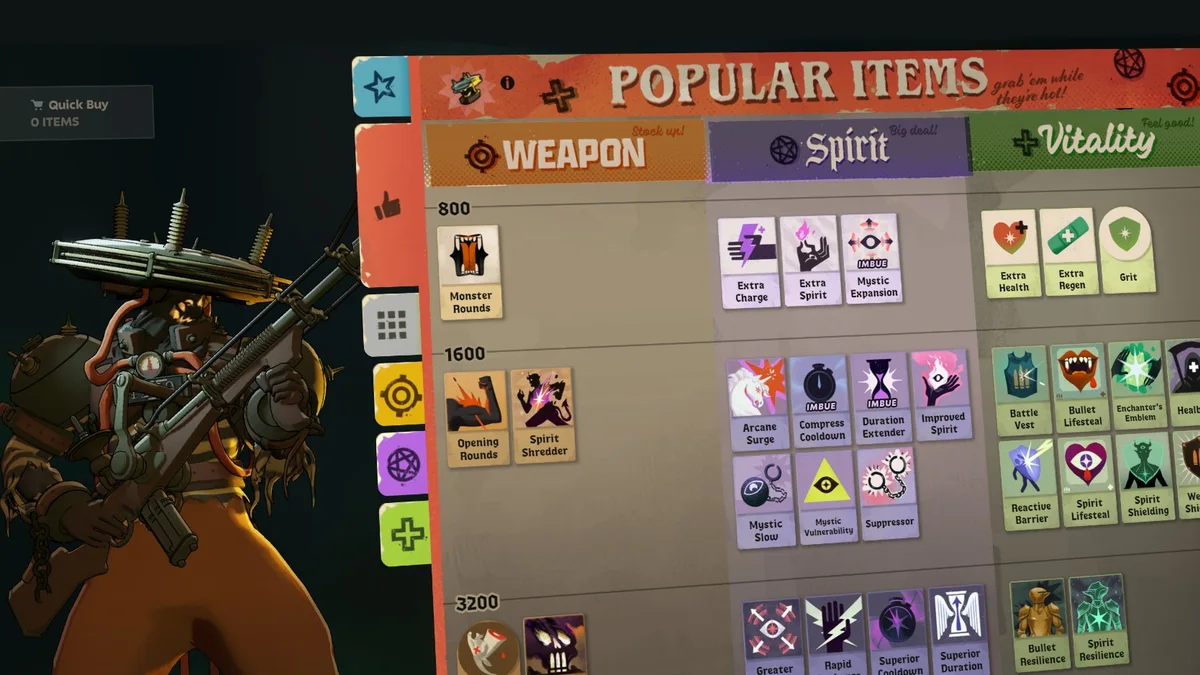
- Spend Souls. Buy items that strengthen your hero for the match.
- Push objectives. Use the advantage to move through lane defenses instead of treating hero kills as the final score.
- Reach the Patron. Break the enemy base defenses and destroy its Patron to end the match.
Exact Soul rules, item effects and objective values are deliberately absent here. Valve labels the gameplay experimental, and those details can change between updates.
Lanes and districts
Valve's current City Never Sleeps visitor's guide presents three main lanes across the Cursed Apple and four side districts: Theater, Chinatown, Haunted Lot and Plaza. The districts are places to rotate through and contest; they are not four additional lanes.
Souls and items
Souls are the match resource that powers progression and purchases. Established gameplay reporting explains that lane Troopers produce Souls and that denying or securing them affects the power difference between teams. Buy items rather than carrying an unused lead: Souls matter because they become combat strength.
The collection rules have changed during the playtest, so this page does not give a fixed orb percentage, shopping threshold or spawn timer. The current in-game tutorial and patch notes are the right source for those details.
Objectives and the Patron
Hero eliminations create time and space, but they are a means rather than the win condition. Current community documentation and established press coverage agree on the stable objective chain: advance through lane defenses, open the enemy base and destroy the Patron.
That distinction helps with early decisions. If a fight does not protect your lane, secure resources or create an objective opportunity, winning it may contribute less than the scoreboard suggests.
A first-match checklist
- Complete the current in-game tutorial before relying on an external key or timing guide.
- Learn one hero's abilities and one lane route first; avoid trying to memorise the whole roster.
- Watch your team's Soul totals and spend your own Souls regularly.
- Keep lane objectives in view. Do not chase an enemy so far that you abandon the push or your retreat route.
- Use Valve's current map labels for callouts, especially when moving between a lane and one of the four districts.
What can change
Valve's official page says Deadlock still uses temporary art and experimental gameplay. The current map, hero roster, matchmaking modes, Soul rules, item values and objective balance can all move before release. This page should be rechecked whenever Valve ships a major map or systems update; the October 2026 City Never Sleeps map is the present baseline.
Sources and review scope
- Valve — City Never Sleeps — current map presentation, the four named districts and the development-status warning.
- Valve — official Deadlock Steam listing — early-development and experimental-gameplay notice.
- PC Gamer — Deadlock beginner tips — third-party explanation of Souls, lane farming and denying; used only for the high-level resource loop.
- The Deadlock Wiki — Mechanics — community-maintained cross-check for the current three-lane objective structure and Patron win condition.
- Deathy — Deadlock for Beginners in 20 Minutes — independent October 2026 visual walkthrough of movement, lanes, builds and objectives.
Checked October 16, 2026. Valve does not publish a complete official beginner rules page, so this overview separates Valve's own map and development statements from third-party explanations of the match loop. It contains no exact balance values, timings or untested control paths.
The source set was checked on October 16, 2026 against Valve's Steam listing, official Deadlock forum, City Never Sleeps page, changelog and Steam announcements; the live roster and news timeline were rechecked on October 17 after Violet became playable. Clearly labelled third-party sources are used only where Valve does not publish a complete beginner rules page or exhaustive interaction reference. Deadlock is still in development, so roster, rules, mechanics and access conditions must be rechecked after major updates.
Not independently play-tested. This is not a claim that every platform or game version was tested. Source review: Oct 16, 2026.
More Deadlock Guides
 Deadlock
 Release Date, Access and Platforms: Current Status
Deadlock has no announced release date and is not generally available. Here is the current invite route, the confirmed PC listing, and what Valve has not announced.
 Deadlock
 Characters: Current Hero Roster and New Hero Status
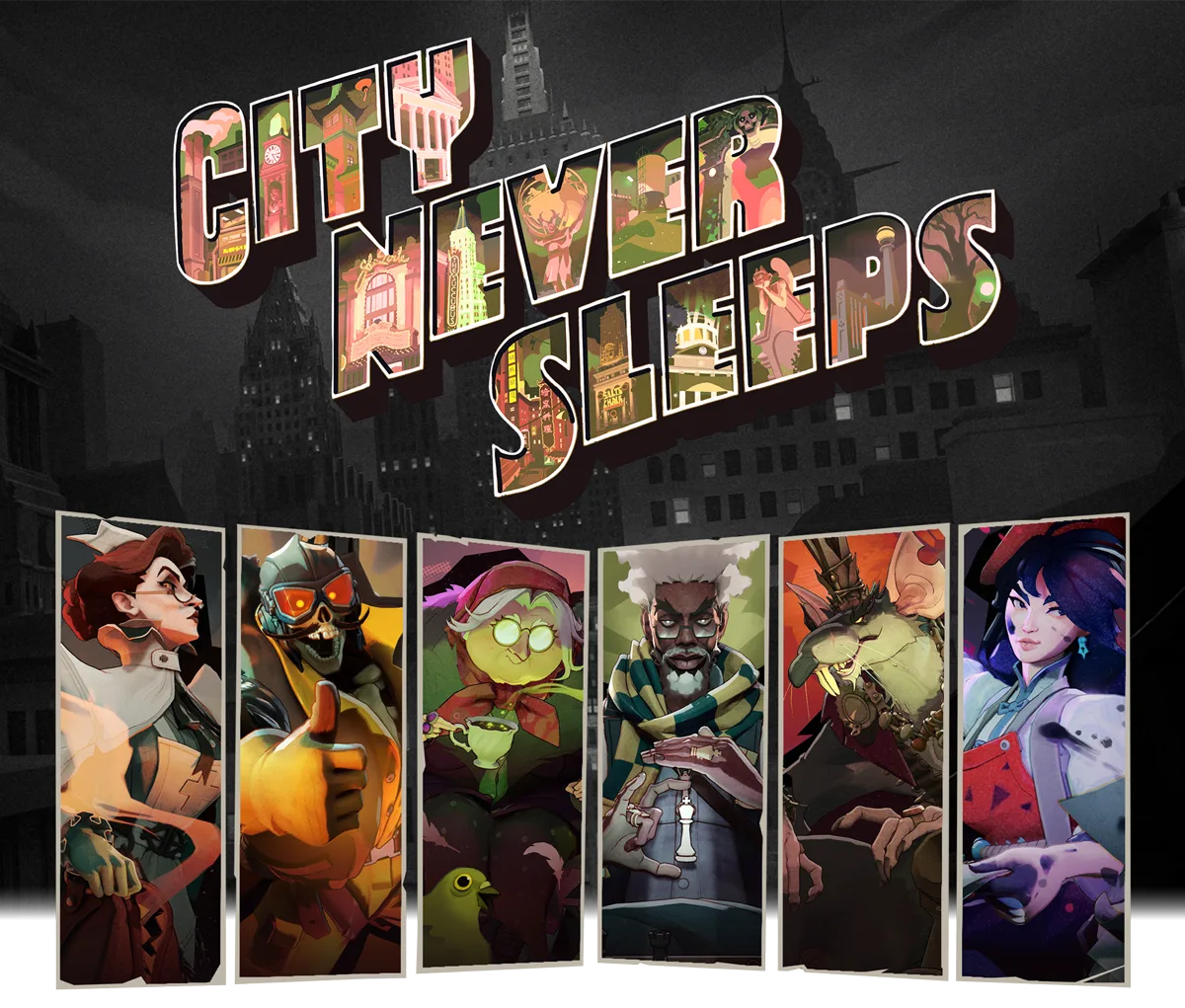
The current Deadlock hero roster from Valve's official forum and playable announcements, plus the City Never Sleeps release status for Rat King, Baba, Solomon, Deadman Danny, Violet and Nurse Harrow.
 Deadlock
 Ranks and Ranked Unlock Requirements
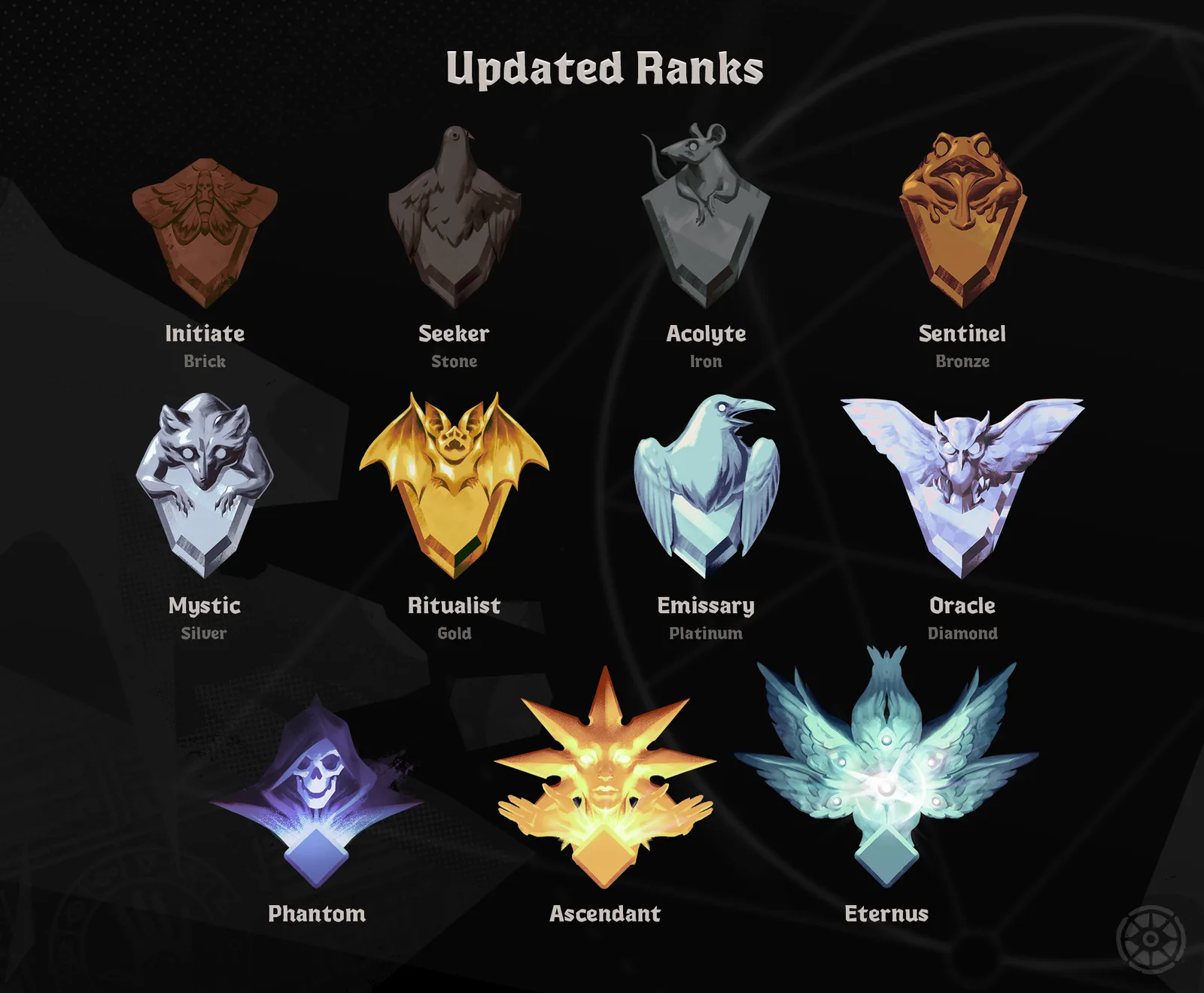
Valve's current Standard-win and hero-win requirements, the ranked ladder, calibration, Rank Points and party limits introduced in the July 30 Matchmaking Update.
 Deadlock
 Patch Notes: Official Changelog and Current Update
Where Valve publishes Deadlock patch notes, what City Never Sleeps changed, and which recent hero hotfixes affect the guides on this site.
 Deadlock
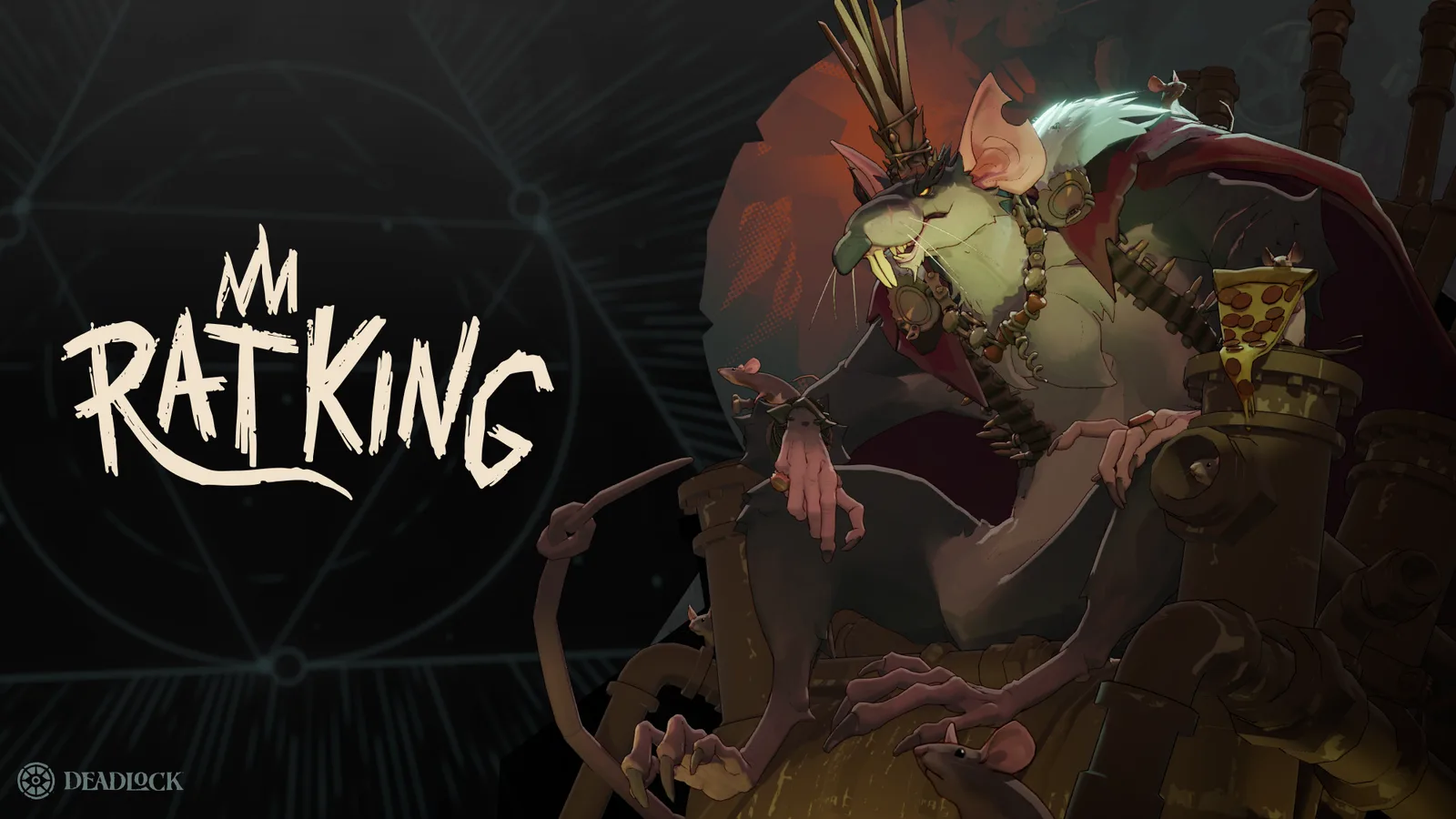
Rat King in Deadlock: Abilities, Role and Current Patch Notes
Rat King's four abilities, how his swarm, armour and banner fit together, and what Valve changed in the October 5 hotfix.
 Deadlock
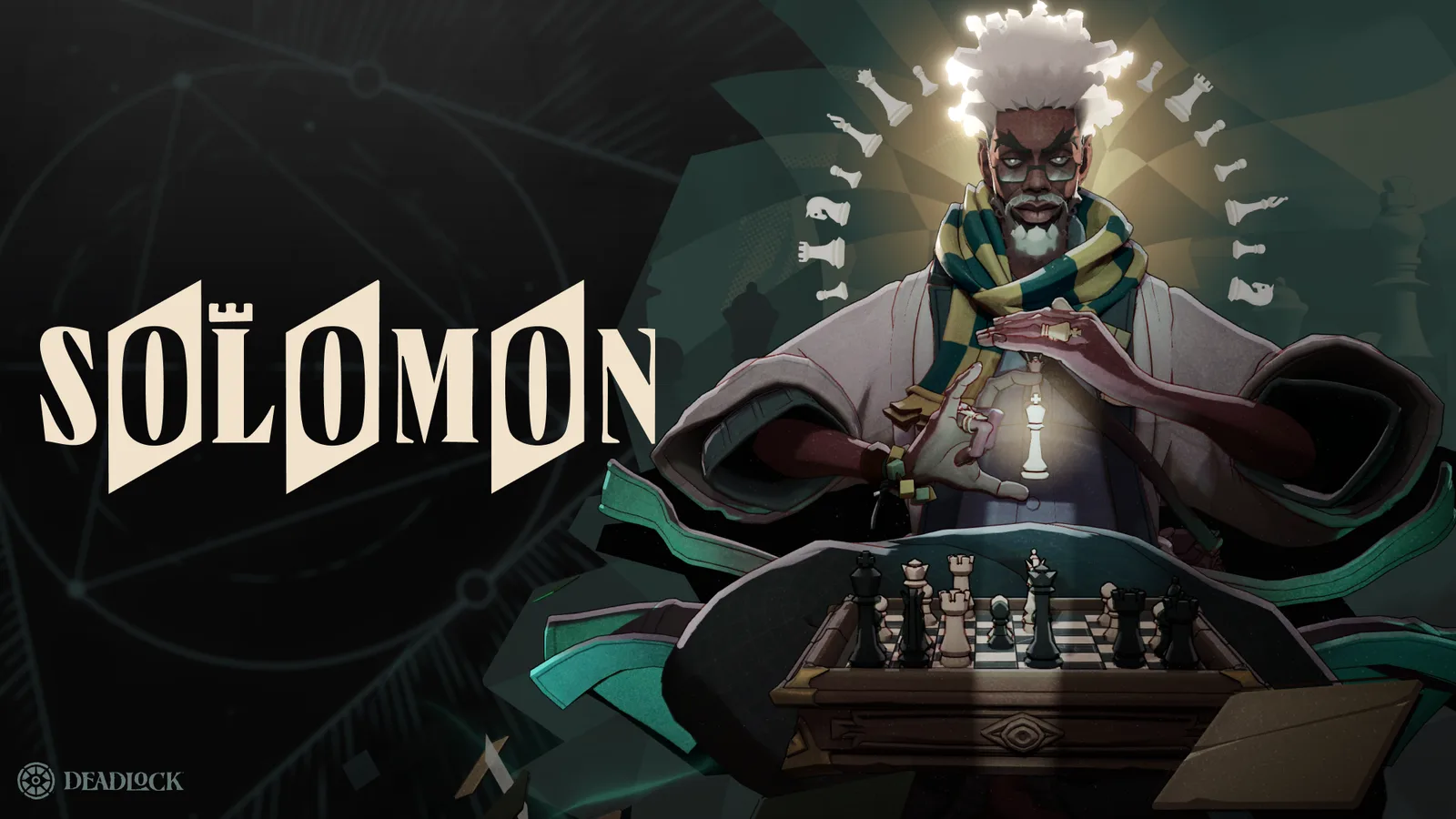
Solomon in Deadlock: Abilities and Chess-Piece Mechanics
How Setup Bishop, Kingside Knight, Rook Battery and Develop Queen control space, move allies and punish predictable paths.